Five planner adapters
Waypoint, factor-graph, and coefficient-space formulations are compared through native adapters.
Optimization-based Planning Architecture and Library for robotic Manipulators (OPALM)
A modular benchmark that isolates trajectory representation, collision geometry, execution path, nonlinear step solving, stopping rules, and final validation under one planning-and-measurement contract.
Overview
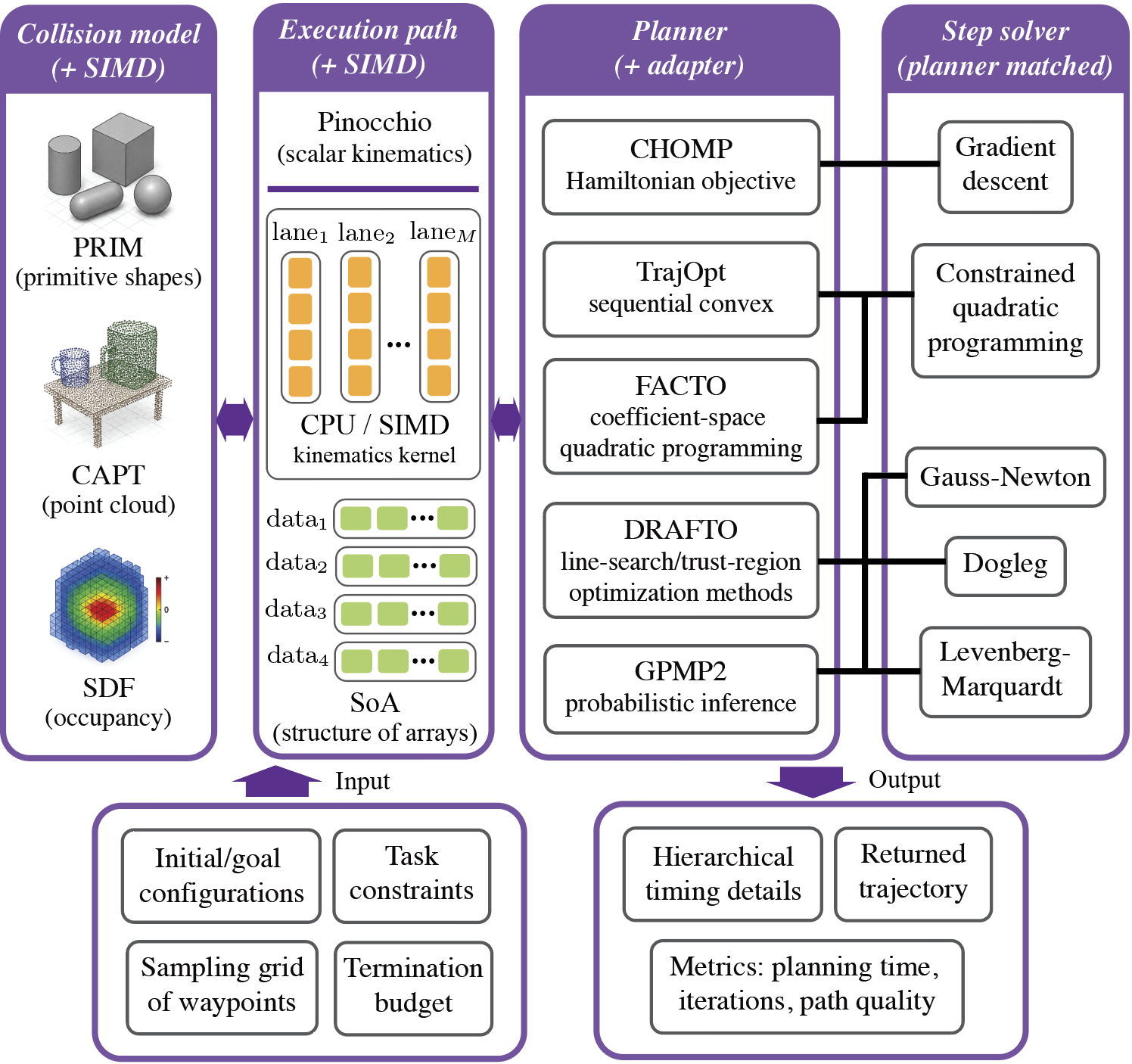
OPALM decomposes optimization-based motion planning into planner, collision, execution-path, and step-solver components while preserving common problem setup, initialization, hierarchical timing, and validation semantics.
Benchmark Design
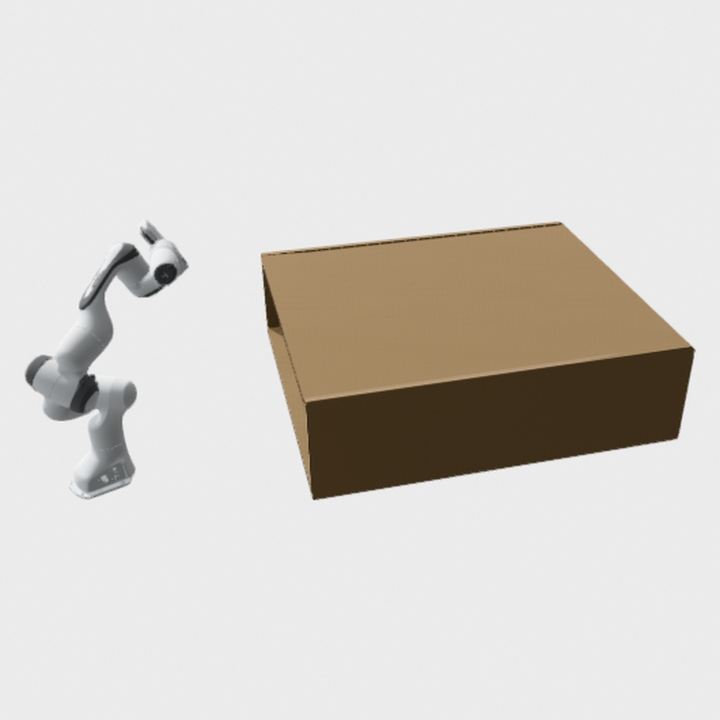
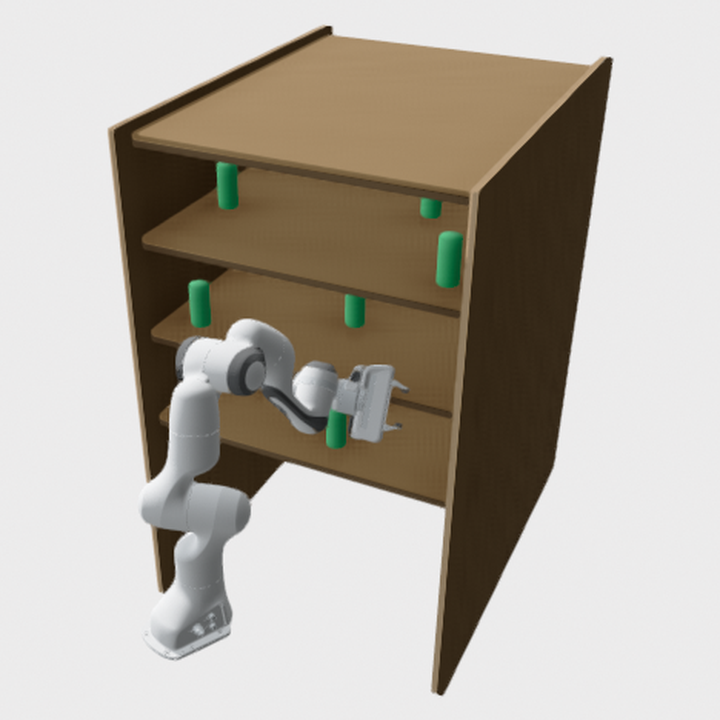
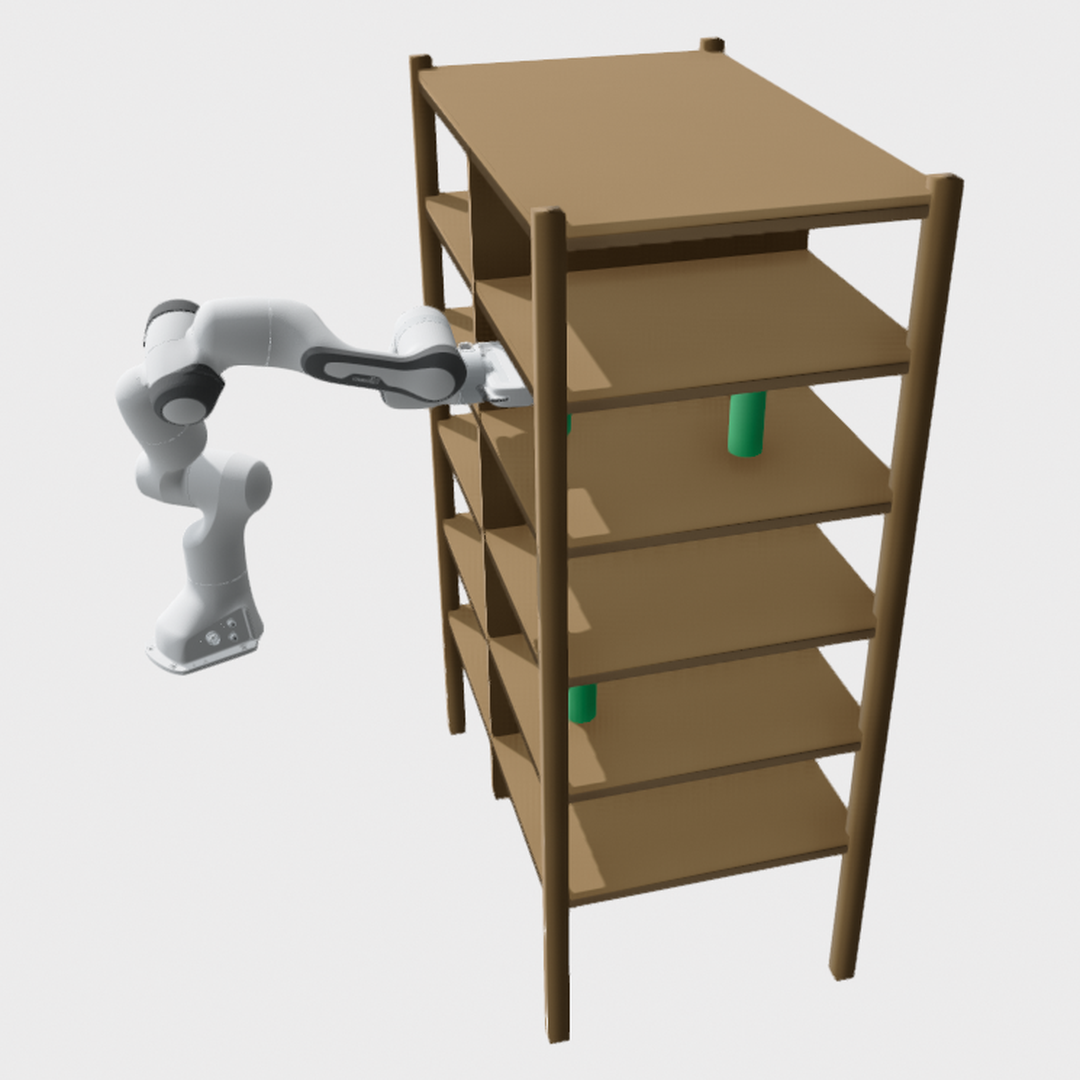
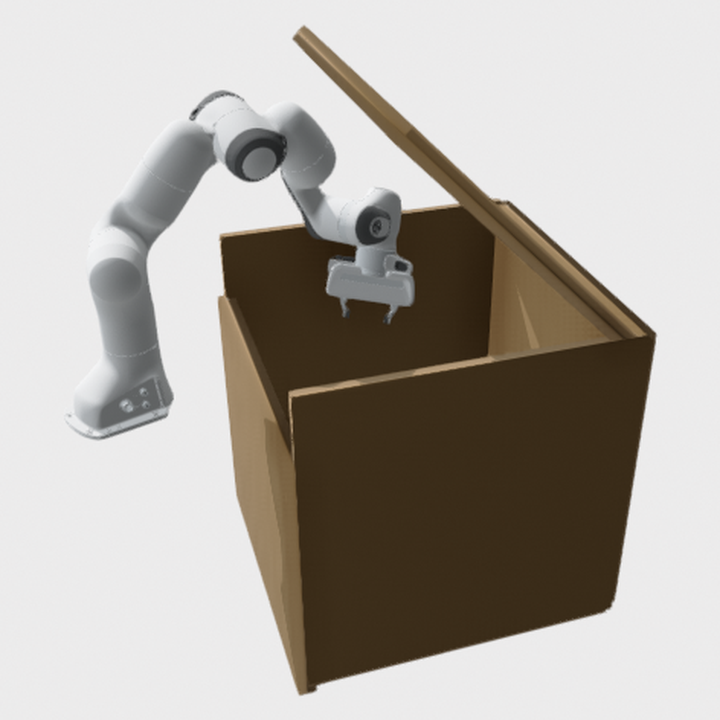
Each paired run holds the robot, scene, initialization, safety margins, work budget, convergence tolerance, timing contract, and a fixed final verifier.
Waypoint, factor-graph, and coefficient-space formulations are compared through native adapters.
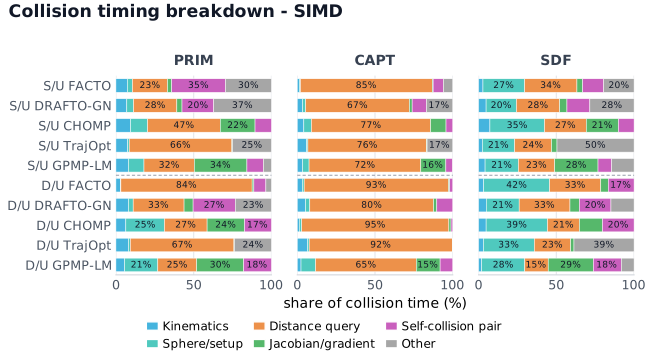
PRIM, SDF, and CAPT return shared distance, gradient, and active-state semantics.
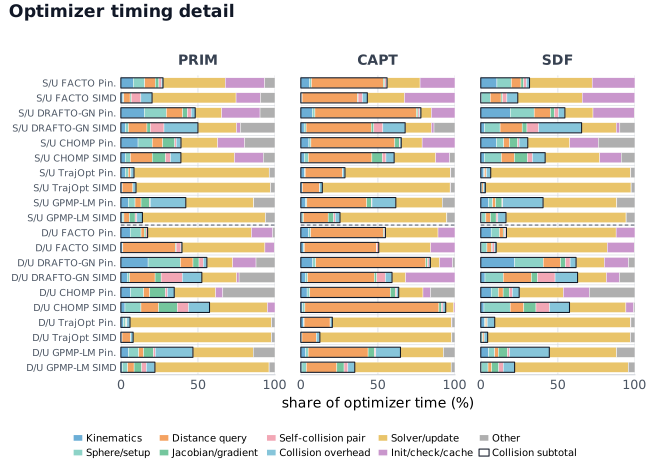
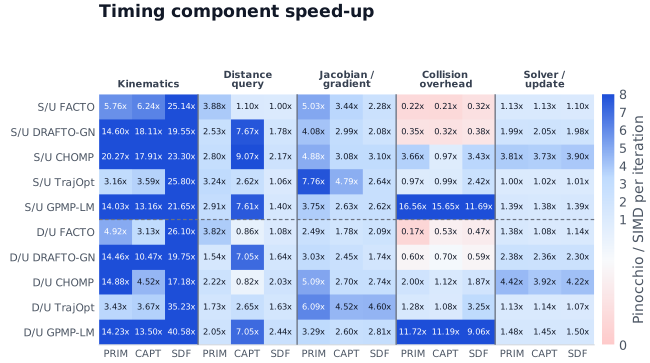
Scalar Pinocchio is compared with AVX (Advanced Vector Extensions) kinematics, SIMD (single instruction, multiple data) queries, and SoA (structure-of-arrays) data handling.
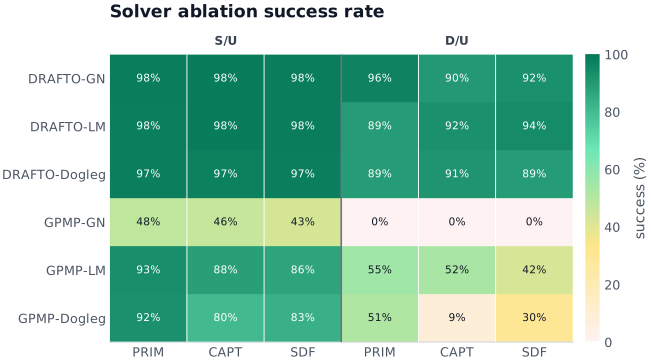
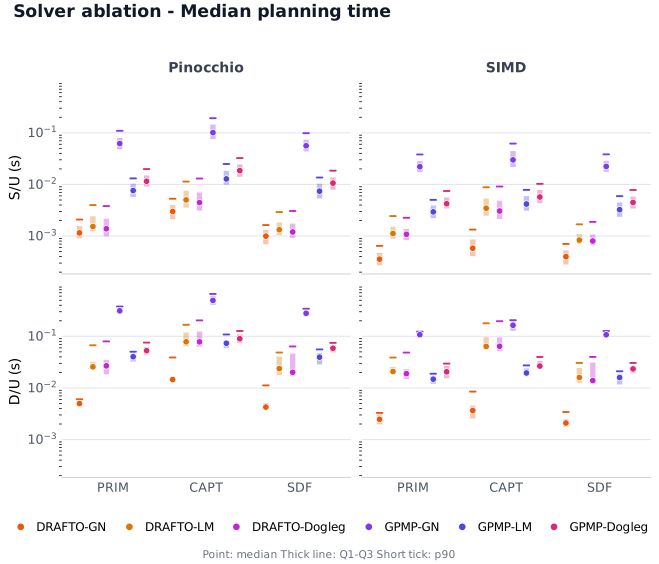
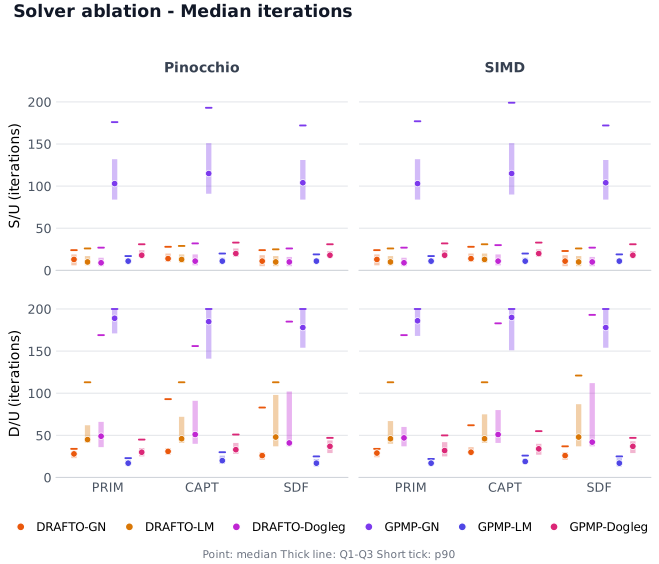
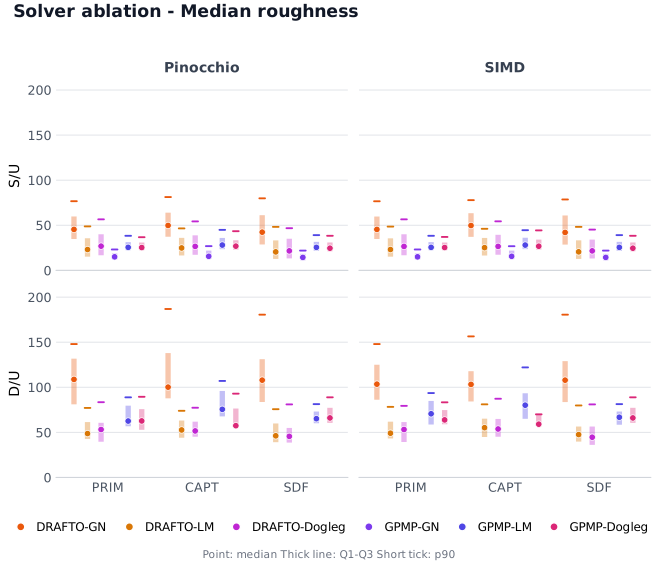
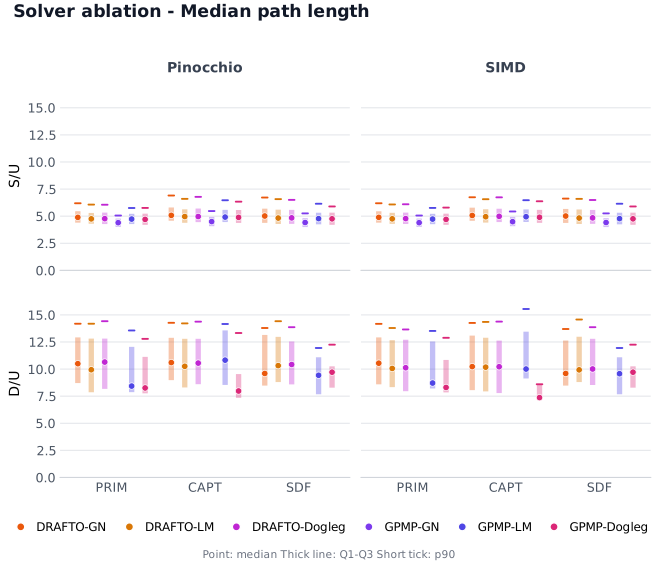
GN (Gauss-Newton), LM (Levenberg-Marquardt), and Dogleg isolate step-solver behavior on matched DRAFTO and GPMP models.
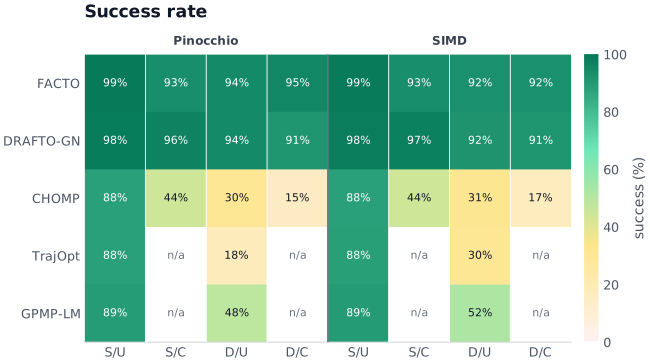
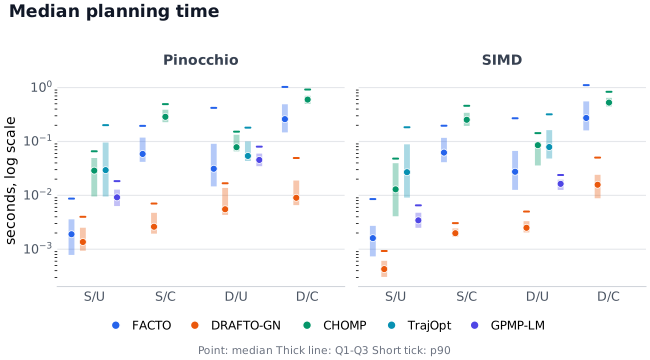
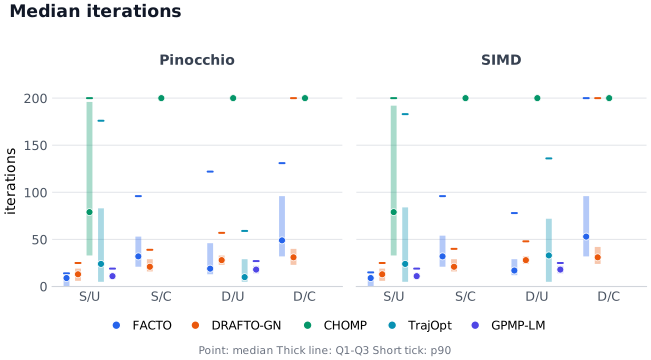
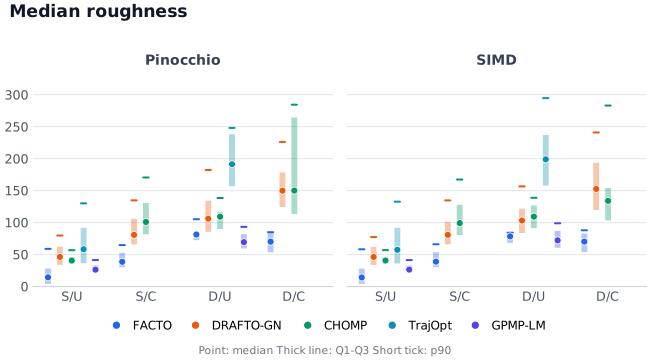
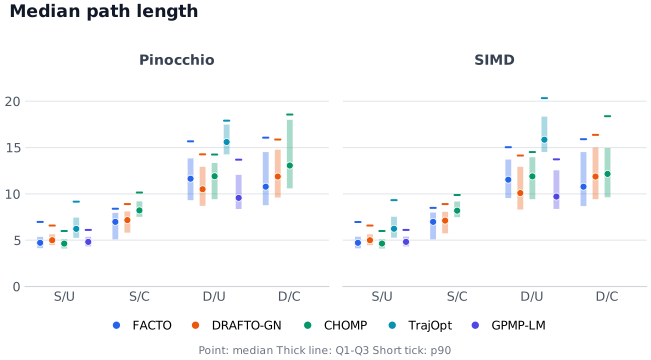
Task regimes: S/U single-arm task-unconstrained, S/C single-arm task-constrained, D/U dual-arm task-unconstrained, and D/C dual-arm task-constrained.
Reproducibility
The values below are taken from the scene-crossing runner, active planner YAML (YAML Ain't Markup Language) profiles, collision-sphere model, build configuration, and the manuscript.
| Regime | Scenes | Tasks per scene | Tasks per stack |
|---|---|---|---|
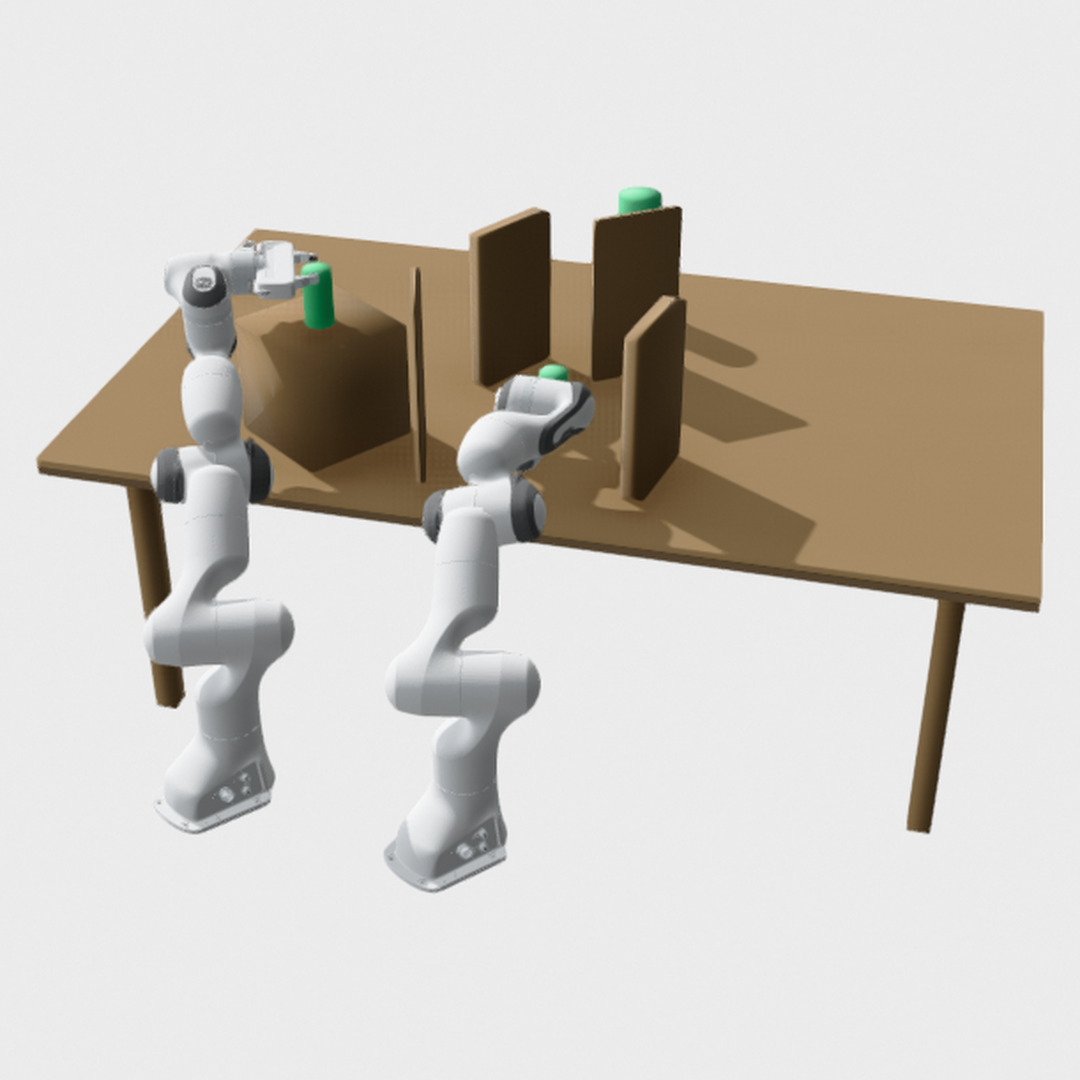
| S/U | Bookshelf small, bookshelf tall, bookshelf thin, box, cage, kitchen, table pick, table under pick | 100 | 800 |
| S/C | Kitchen, table under pick | 100 | 200 |
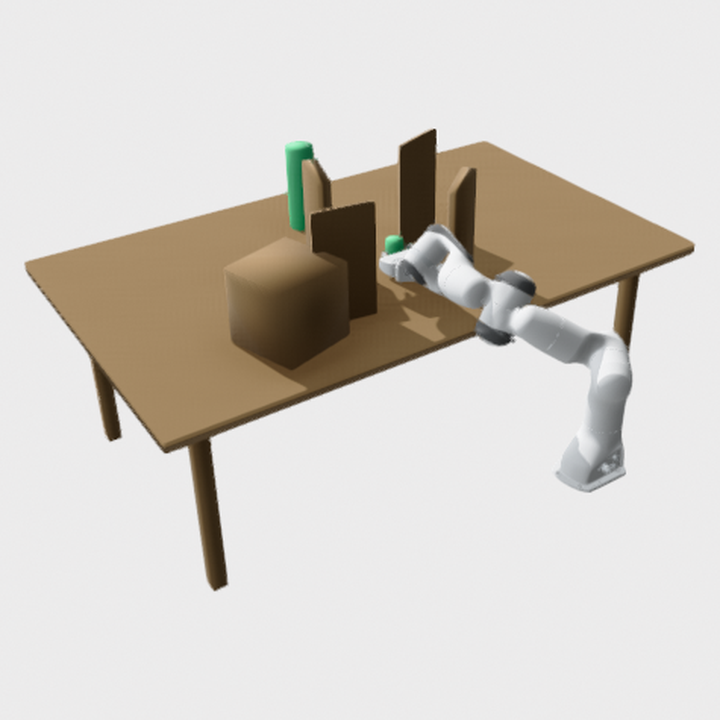
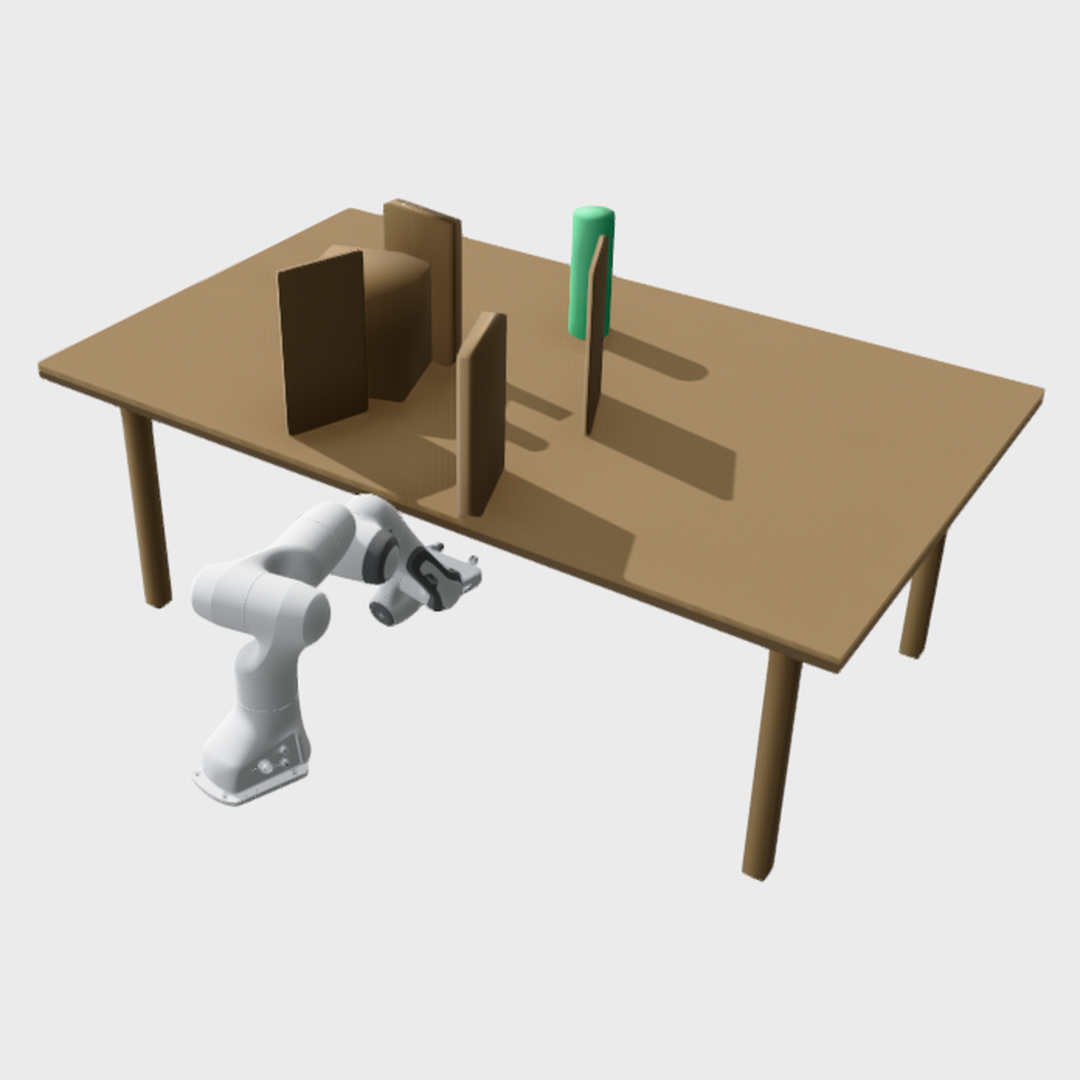
| D/U | Table dual arm | 40 | 40 |
| D/C | Table dual arm | 40 | 40 |
PRIM excludes the mesh-based kitchen scene, reducing its S/U and S/C populations to 700 and 100 tasks per stack, respectively.
-O3 -DNDEBUG -flto=auto -fopenmp; SIMD units add AVX2 (Advanced Vector Extensions 2) and FMA (fused multiply-add) instructions: -mavx2 -mfma.| Planner | Objective settings | Stopping tolerances | Iteration budget |
|---|---|---|---|
| FACTO | Smoothness 5e-3; obstacle 1.0 |
Step 2.5e-3; function 1e-6; feasibility 1e-5 |
200 |
| DRAFTO | Smoothness 5e-3; obstacle 1.0 |
Step 2.5e-3; function 1e-6. LM/Dogleg overlays: step 1e-3, relative decrease 1e-6 |
200 |
| CHOMP | Smoothness 0.05; obstacle 1.0 |
Small update 2e-4 |
200 |
| TrajOpt | Smoothness 0.05; obstacle 1.0 |
Approximate improvement 1e-6; constraint 0.035 |
200 |
| GPMP2 | Obstacle sigma 0.0025; Gaussian-process model 1.0; configuration/velocity priors 1e-4 |
Relative 1e-4; step 2.5e-3 |
200 |
| Planner | Decision representation | Initialization | Native step | Common-step track |
|---|---|---|---|---|
| CHOMP | Waypoint configurations | Quintic spline | Covariant functional GD (gradient descent) | GD |
| TrajOpt | Waypoint configurations | Linear interpolation | Sequential convex procedure | SQP (sequential quadratic programming) |
| GPMP2 | GP (Gaussian process) support states | Constant-velocity GP prior | Sparse nonlinear least squares | GN / LM / Dogleg |
| FACTO | Fourier sine coefficients | Boundary lift with constant velocity | Constrained reduced QP (quadratic program) | SQP |
| DRAFTO | Fourier sine coefficients | Boundary lift with constant velocity | Dense nonlinear least squares | GN / LM / Dogleg |
Key Results
FACTO remains above 92% and DRAFTO above 90% across all task regimes and both execution paths.
Median forward-kinematics speedup per iteration; end-to-end gains depend on the dominant pipeline bottleneck.
GN is DRAFTO's fastest default, while LM is more reliable for GPMP and for some dual-arm sampled-distance cases.
Results Figures
Cross-scene comparisons, solver ablations, and hierarchical timing inspections from the revised evaluation.
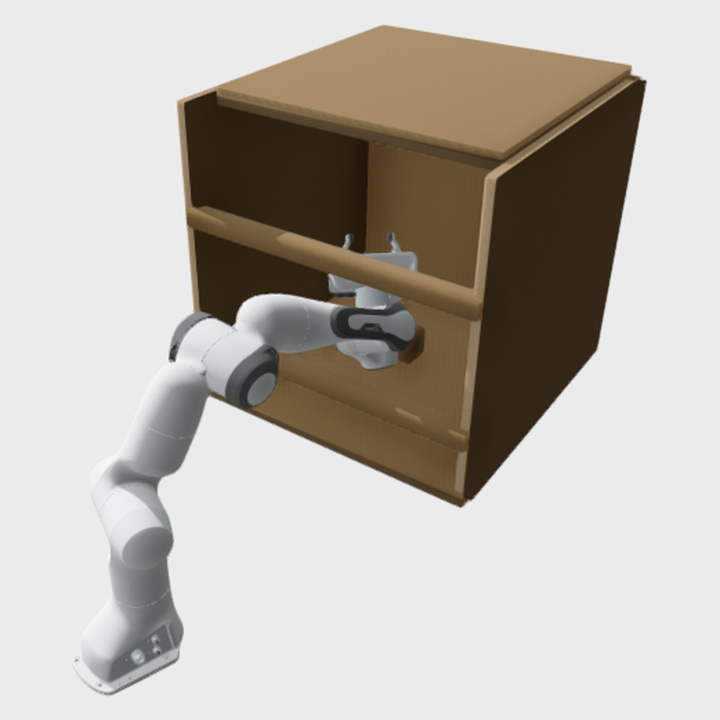
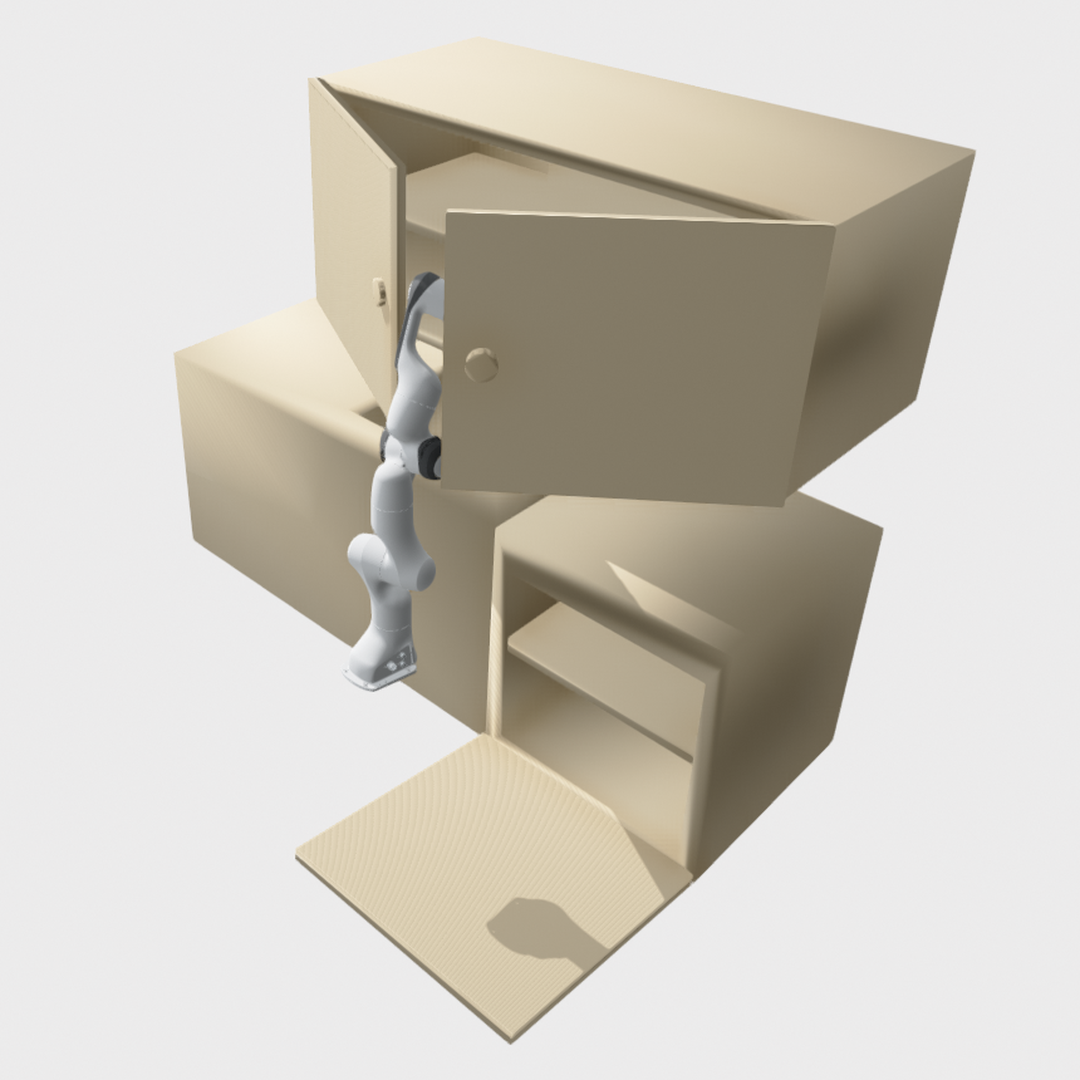
Planning Scenes